Stacking Guide: How to Mix Metals, Textures, and Pieces Without Overdoing It
Jewellery stacking looks effortless on Pinterest and Instagram, but getting it right in real life takes a little more intention than simply piling on every piece you own. Done well, stacking is one of the easiest ways to build a personal, layered look using demi fine jewellery India shoppers already have in their collection, without buying an entirely new set of pieces. Done poorly, it can quickly feel cluttered or mismatched. This guide breaks down exactly how to mix metals, textures, and pieces the right way, so your stacking always looks curated rather than chaotic.
Why Stacking Has Become A Quiet Luxury Staple
Stacking sits right at the intersection of personal style and the broader quiet luxury movement, which is exactly why it has become such a popular way to wear demi fine jewellery India collections offer. Instead of relying on one large statement piece, stacking lets you build depth and interest through multiple smaller, well-chosen items, each contributing subtly to the overall look. This approach feels more personal because the combination is entirely yours, shaped by your own mix of chains, rings, and earrings rather than a single pre-set design. It also makes demi fine jewellery more versatile day to day, since you can add or remove pieces depending on the occasion without needing an entirely different outfit-specific set.

Mixing Metals Without It Looking Accidental
The biggest hesitation most people have around stacking is mixing gold and silver tones, worried it will look mismatched rather than intentional. The truth is that mixed metals can look polished when done with a clear ratio in mind, such as leaning roughly seventy percent toward one dominant tone and using the other as a subtle accent. If your collection is mostly 18k gold plated demi fine jewellery India pieces, introduce silver sparingly through a single ring or a delicate bracelet rather than splitting everything evenly. This creates enough contrast to feel deliberate without competing for attention. Keeping the dominant metal consistent across your most visible pieces, such as earrings and your primary necklace, also helps the whole stack read as cohesive rather than random.
Layering Necklaces The Right Way
Necklace layering is often where stacking either comes together beautifully or falls apart into a tangled mess, and the difference usually comes down to chain length and proportion. Start with a shorter choker-length piece close to the collarbone, add a mid-length chain that sits a few inches below it, and finish with a slightly longer pendant or chain as the final layer. Varying the chain style between each layer, such as pairing a fine chain with a slightly thicker link chain, adds visual texture without needing different colours or metals. Many demi fine jewellery India brands now design pieces specifically with layering proportions in mind, which makes building this kind of stack far easier than mixing chains from unrelated collections that were never meant to sit together.
Stacking Rings Without Overwhelming Your Hands
Ring stacking works on a similar principle of restraint, where the goal is variation without visual clutter. A good starting point is choosing one statement ring, such as a slightly textured or gemstone-accented piece, and pairing it with one or two slim bands on the same hand rather than covering every finger. Mixing a plain band with a subtly textured ring adds enough contrast to feel intentional, while keeping the overall look wearable for daily activities like typing or driving. When shopping for demi fine jewellery India ring sets built for stacking, look for pieces designed with slightly different widths and finishes, since this variation is what makes a stack look curated rather than like several unrelated rings worn together by accident.
Mixing Textures For Added Depth
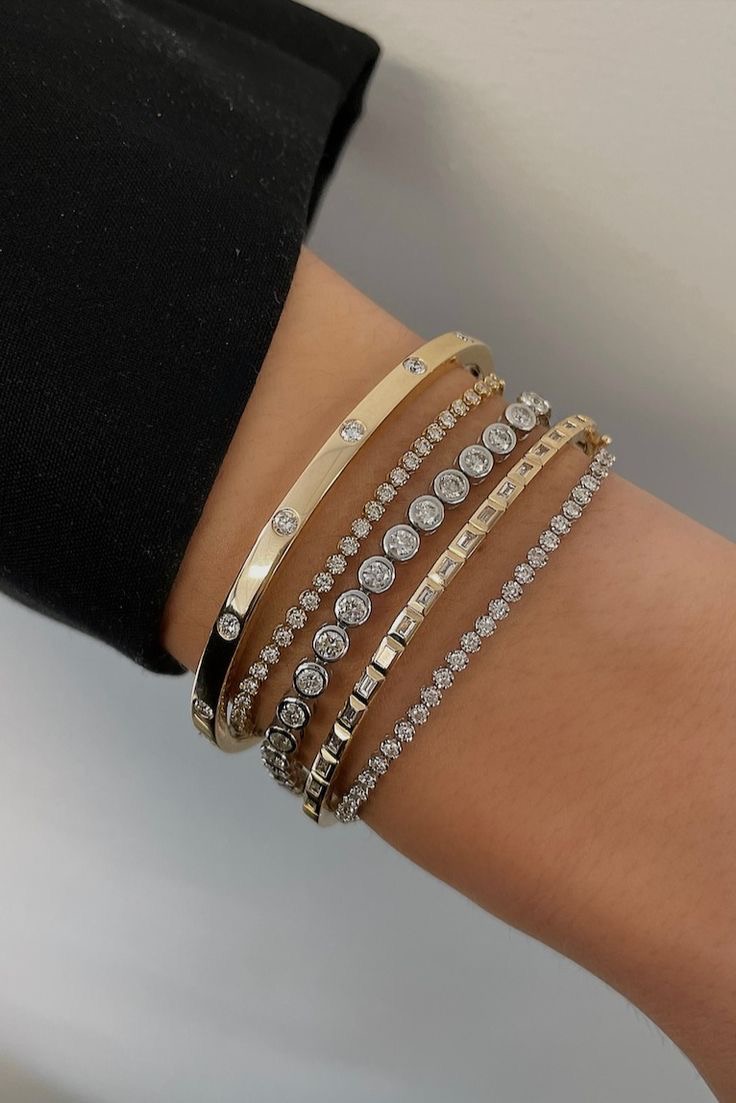
Texture is often the most overlooked element of a great stack, yet it does more to elevate a look than adding another plain piece ever could. Combining a smooth, polished chain with a slightly hammered or beaded texture creates depth without requiring any additional colour or metal variation. This principle applies across necklaces, bracelets, and rings alike, where even a single textured piece within an otherwise minimal stack adds enough visual interest to make the whole combination feel considered. Quality demi fine jewellery India pieces often incorporate subtle texture specifically for this reason, giving you more ways to layer interest into your stack without needing to buy more pieces than necessary.
How To Spot Quality Pieces Built For Stacking
Not all jewellery holds up well to the friction and contact that comes with stacking multiple pieces together, which makes quality especially important here. Well-made demi fine jewellery India pieces use thicker plating, typically in the range of 1.5 to 2.5 microns, since thinner plating wears down faster when pieces rub against each other throughout the day. Smooth, evenly finished edges also matter more in a stack, since rough seams can scratch adjacent pieces or catch on clothing. Checking whether a brand specifies plating thickness, base metal composition, and finish quality before buying is one of the simplest ways to ensure your stacked pieces will still look sharp months down the line, rather than showing wear within the first few weeks.
Conclusion
Great stacking is less about owning more jewellery and more about understanding how metals, lengths, and textures work together to create a look that feels intentional rather than accidental. By starting with quality demi fine jewellery India basics and layering thoughtfully, you can build a stack that looks effortlessly put-together every single day, without ever feeling like too much.